
Getting™ Started | Ledger® Live: Desktop® — official
Discover Ledger Live Desktop and learn how it supports Ledger hardware wallet connectivity, account organization, portfolio monitoring, application management, and everyday crypto activities.
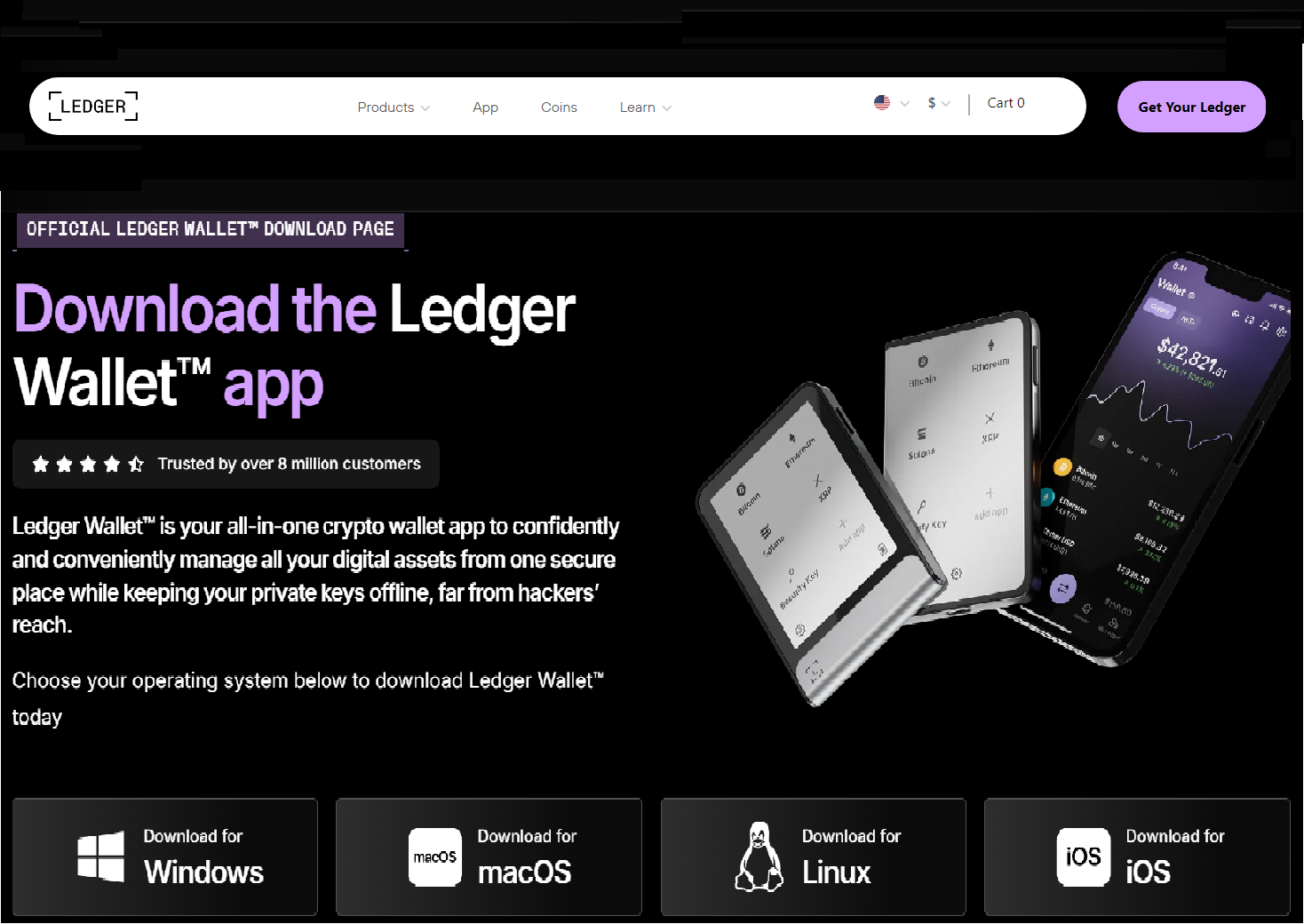
Ledger Live Desktop: A Practical Guide to Managing Your Ledger Wallet
Managing digital assets from a computer requires a combination of convenient wallet software and strong security practices. For Ledger users, Ledger Live Desktop has been widely associated with the desktop environment used to interact with Ledger hardware wallets. It provides a central interface for viewing supported assets, managing accounts, installing blockchain applications, and preparing cryptocurrency transactions.
Although the software makes wallet management easier, understanding the relationship between the desktop application and the physical hardware wallet is equally important. A secure setup depends not only on the application but also on how users protect their device, recovery information, and transaction approvals.
Understanding Ledger Live Desktop
Ledger Live Desktop is the desktop wallet management experience designed to work with Ledger hardware wallets. Instead of managing cryptocurrency entirely through a browser or a software-only wallet, users can use a dedicated computer application alongside their physical device.
The desktop interface can make routine activities easier to organize. Depending on the supported asset and device configuration, users may be able to view balances, manage accounts, install applications, receive cryptocurrency, and prepare outgoing transactions.
The hardware wallet remains an important part of the security process because sensitive private-key operations are handled by the physical device rather than simply being exposed through the computer.
The Difference Between Wallet Software and Hardware
One of the first concepts beginners should understand is that the desktop application and the hardware wallet have separate responsibilities.
The computer application provides the interface. It allows users to interact with blockchain accounts and review information in a convenient environment.
The hardware wallet adds a dedicated security layer. It helps protect the private keys associated with the wallet and can require physical confirmation before an important transaction is approved.
This model allows users to combine the convenience of desktop software with the additional protection provided by a hardware wallet.
Preparing for a Secure Setup
Before starting a Ledger Live Desktop setup, it is worth preparing the computer and hardware wallet carefully. Use a trusted computer and make sure its operating system is reasonably up to date.
Users should obtain Ledger software from an official and trusted source. Downloading wallet applications from random websites, unofficial links, advertisements, or file-sharing pages can expose a user to counterfeit software.
It is also helpful to keep the hardware wallet nearby and follow the instructions appropriate to the specific Ledger model being used.
Connecting the Ledger Hardware Wallet
Once the appropriate software has been installed, the Ledger device can be connected to the computer according to the device instructions.
During initialization, the hardware wallet may guide the user through important security steps. These steps should be completed carefully rather than rushed.
Information shown directly on the hardware device deserves particular attention. If information on the computer differs from what is displayed on the device, users should stop and investigate instead of approving the transaction.
This habit becomes especially important when sending cryptocurrency.
Why the Recovery Phrase Matters
The recovery phrase is one of the most sensitive pieces of information associated with a self-custody wallet. It acts as a backup that can potentially restore access to wallet accounts if the original hardware device becomes unavailable.
Because of this, the recovery phrase should never be treated like an ordinary password.
Do not send it through email or messaging applications. Do not upload it to cloud storage. Do not enter it into a website claiming to provide wallet support. Never share it with someone who contacts you unexpectedly.
Anyone asking for a complete recovery phrase should be treated with extreme caution.
Keeping the backup offline and protected is an essential part of responsible wallet management.
Managing Accounts Through Ledger Live Desktop
Once the wallet is configured, the desktop interface can become a central place for everyday account management.
Users can organize supported accounts, review balances, monitor activity, and work with supported cryptocurrency networks. Having this information in one application can make it easier to understand the overall wallet portfolio.
However, users should remember that displayed balances are blockchain information. The desktop application provides an interface for interacting with that information; it does not mean that the cryptocurrency itself is physically stored inside the computer or hardware wallet.
Understanding this distinction helps beginners develop a clearer picture of how cryptocurrency wallets operate.
Receiving Cryptocurrency
Receiving cryptocurrency usually requires providing the correct wallet address to the sender. Before sharing an address, users should verify that it belongs to the intended account and corresponds to the correct cryptocurrency and network.
Copying an address from an unfamiliar message can introduce unnecessary risk. When practical, verify important information through the trusted wallet environment.
For larger transfers, some users may prefer sending a small test amount first. This can help confirm that the address and network are correct before completing a larger transaction.
Sending Cryptocurrency Safely
Outgoing transactions require careful attention because many blockchain transactions cannot simply be reversed.
Before confirming a transaction, review the destination address, amount, network, and transaction fee. Avoid approving a transaction merely because it appears correct on the computer screen.
The hardware wallet should also be checked before confirmation. Carefully compare the information displayed by the device with what you intended to send.
If an address, amount, or other transaction detail looks unfamiliar, cancel the process and investigate.
A few additional seconds of verification can prevent a costly mistake.
Protecting Yourself From Fake Wallet Software
Phishing is one of the most important risks cryptocurrency users should understand. Attackers can create websites, applications, emails, and messages designed to look like legitimate wallet services.
A fake application may attempt to collect login information, wallet details, or recovery phrases.
Users should therefore avoid responding to unexpected messages that create urgency. Warnings such as “your wallet will be locked,” “verify your account immediately,” or “enter your recovery phrase to restore access” should be treated cautiously.
Legitimate wallet support should not require users to disclose their secret recovery phrase.
Keeping Your Software Updated
Software updates can improve compatibility, performance, and security. Users should keep their wallet application and computer environment maintained while making sure updates are obtained through trusted channels.
The same principle applies to the hardware wallet. Firmware and application updates should be approached carefully and performed according to the official instructions for the device.
Before major maintenance, users should make sure their recovery backup is safely available and protected.
Common Ledger Live Desktop Mistakes
Several avoidable mistakes can weaken an otherwise secure wallet setup.
Using an unofficial wallet application is one example. Sharing the recovery phrase is another. Other problems include approving transactions without checking the hardware device, sending assets through an incompatible network, and clicking unknown links from unsolicited messages.
Users should also avoid storing sensitive wallet information in screenshots, ordinary text files, email accounts, or other locations that could be accessed by someone else.
Good wallet security is largely about developing consistent habits.
Creating a Safer Daily Routine
A secure Ledger Live Desktop routine can be simple. Start with trusted software and a secure computer. Keep the hardware wallet protected when it is not being used. Keep the recovery backup offline and confidential.
When receiving cryptocurrency, verify the address. When sending it, review every important transaction detail on the hardware device before approval.
Be cautious with unexpected support messages, giveaways, investment offers, and urgent security warnings. If something seems unusual, stop before entering information or approving a transaction.
These small habits can make everyday cryptocurrency management considerably safer.
Final Thoughts
Ledger Live Desktop offers a convenient desktop environment for interacting with a Ledger hardware wallet and managing supported cryptocurrency accounts. Its usefulness comes from combining a familiar computer interface with a hardware-based security process.
For beginners, learning the software is only one part of the setup. Understanding recovery protection, transaction verification, phishing risks, software updates, and hardware-wallet security is just as important.
By using trusted software, protecting recovery information, carefully reviewing transactions, and maintaining a consistent security routine, users can make their Ledger wallet experience more organized and responsible.
Updated about 5 hours ago