
Ledger® Live Wallet— Getting Started™ | official Ledger™
Explore Ledger Live Login guidance covering account access, Ledger device connectivity, wallet management, security practices, and important steps for protecting your crypto assets.
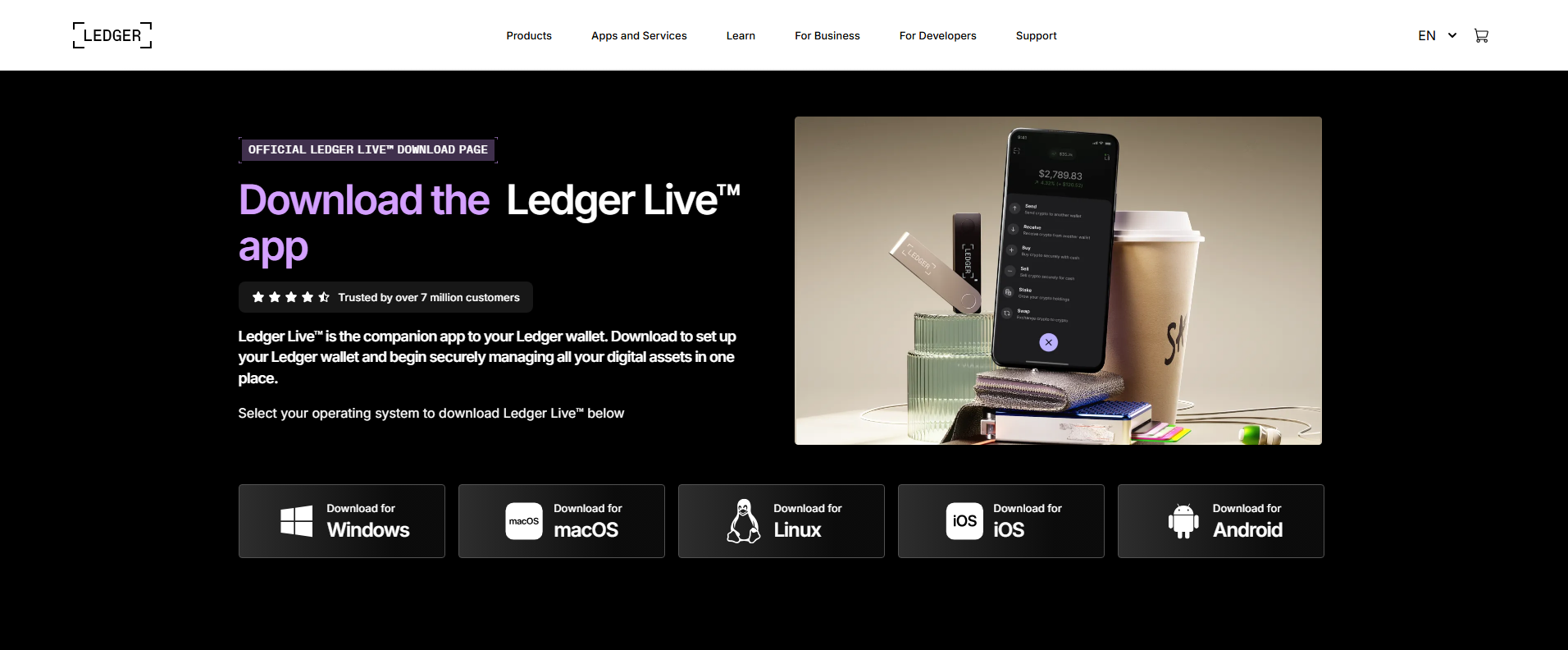
Ledger Live Login: A Complete Guide to Secure Wallet Access and Management
Managing cryptocurrency securely requires more than simply opening a wallet application. Users need to understand how wallet software, hardware devices, accounts, recovery information, and transaction approvals work together. The phrase Ledger Live login is commonly used by people looking for a way to access their Ledger wallet environment, manage accounts, or troubleshoot access-related issues.
For Ledger users, it is important to understand that a hardware wallet does not work exactly like a traditional online banking account. Access to wallet management involves the Ledger application and, where required, the connected hardware device. Learning this process can help users avoid phishing attempts and protect the information that controls their digital assets.
What Does Ledger Live Login Mean?
Ledger Live login generally refers to accessing the Ledger wallet management environment from a supported device. Users may search for this phrase when they want to open the desktop application, access their wallet interface, manage accounts, or reconnect a Ledger hardware wallet.
Unlike a conventional website account where entering an email address and password provides access to funds, a Ledger hardware wallet uses a different security model. The hardware device plays an important role in protecting private keys and approving transactions.
This distinction is important because users should not assume that a website asking for a wallet password or recovery phrase is automatically legitimate.
Understanding the Ledger Wallet Environment
The Ledger desktop experience provides an interface for interacting with supported cryptocurrency accounts. Depending on the current Ledger software and device configuration, users can view account information, manage supported assets, install applications, and prepare transactions.
The Ledger hardware wallet provides an additional security layer. Sensitive wallet credentials are protected by the device, while transaction details can be reviewed before approval.
This combination allows users to manage cryptocurrency from a computer without treating the computer itself as the sole place where wallet security is maintained.
Is a Recovery Phrase Required for a Normal Login?
One of the most important security principles is understanding the difference between normal wallet access and wallet recovery.
A Secret Recovery Phrase is designed to serve as a backup for a wallet. It is extremely sensitive information and should not be entered into websites, online forms, chat messages, or ordinary computer applications simply because someone claims it is needed for a login.
If a website or person asks you to provide your complete recovery phrase to complete a supposed Ledger Live login, stop and verify the situation carefully.
Protecting the recovery phrase is one of the most important responsibilities of a self-custody wallet user.
How to Approach Ledger Live Login Safely
When accessing Ledger wallet software, begin by using a trusted source. Avoid clicking unknown links received through email, social media, messaging platforms, or unsolicited support messages.
Before entering any information, check that you are using the legitimate Ledger environment.
Users should also be cautious about search advertisements and websites that imitate the appearance of legitimate wallet services. A professional-looking page is not proof that it is authentic.
If a website creates urgency by claiming that your wallet will be suspended unless you immediately provide your recovery phrase, treat the message as a potential phishing attempt.
Connecting Your Ledger Hardware Wallet
After opening the appropriate wallet application, connect the Ledger device according to the instructions for the specific model.
The hardware wallet may require a PIN or other device-level confirmation. Follow the instructions shown directly on the device rather than relying exclusively on instructions from an unfamiliar webpage.
When a transaction is being prepared, carefully compare the information displayed by the application with the information presented on the hardware wallet.
The physical device provides an important opportunity to verify what is actually being authorized.
Managing Accounts After Access
Once the wallet environment is available, users can manage supported cryptocurrency accounts and review their portfolio information.
Account management may include checking balances, reviewing transaction history, receiving cryptocurrency, preparing transfers, and installing supported blockchain applications.
Users should remember that the displayed balance represents information associated with blockchain accounts. Cryptocurrency is not physically stored inside the desktop computer or hardware wallet. The hardware wallet helps protect the credentials needed to authorize transactions.
This concept is particularly useful for beginners who are learning how self-custody works.
Receiving Cryptocurrency Securely
Receiving cryptocurrency usually requires sharing an appropriate wallet address with the sender.
Before sharing an address, verify that it belongs to the intended account and that the asset and network are correct. Different blockchain networks can have different address formats and requirements.
When dealing with a significant transfer, users may consider testing the process with a smaller amount first.
Never rely solely on an address copied from an unexpected message. Verify important information through the trusted wallet interface before sharing it.
Sending Cryptocurrency After Login
Accessing the wallet is only the beginning. Sending cryptocurrency requires careful transaction verification.
Before approving a transfer, review the recipient address, amount, network, and transaction fee. Do not approve a transaction simply because the computer screen looks familiar.
Check the transaction information displayed on the hardware wallet as well. If the address or amount does not match your intention, do not confirm the transaction.
This verification step is one of the most valuable habits a cryptocurrency user can develop.
Ledger Live Login and Phishing Protection
Phishing is a major concern whenever users search for wallet login pages.
Attackers may create websites that imitate wallet interfaces and use familiar terminology such as “Ledger Live login,” “wallet verification,” or “account recovery.” Their goal may be to persuade users to disclose confidential information.
A legitimate support process should not require users to reveal their Secret Recovery Phrase.
Be especially careful with messages that promise to restore access, unlock an account, fix a wallet, or prevent an alleged security problem in exchange for your recovery phrase.
When in doubt, close the page and independently navigate to the legitimate Ledger website instead of following the suspicious link.
What to Do If You Cannot Access Your Wallet
Access problems can have different causes. The computer application may need an update, the hardware device may not be connected correctly, or the user may be working with an unsupported configuration.
The safest approach is to use official troubleshooting information rather than downloading random utilities or following instructions from strangers online.
Never attempt to solve an access problem by entering the recovery phrase into an unknown website.
The recovery phrase should remain protected regardless of whether the wallet application is working normally.
Keeping Your Wallet Environment Updated
Software maintenance is another part of secure wallet management. Users should keep their computer operating system and legitimate wallet software appropriately updated.
However, updates should be obtained through trusted channels. A pop-up claiming that the wallet must be updated immediately should not automatically be accepted.
Before performing important device maintenance, make sure the wallet's recovery backup is safely protected and available according to the official guidance for the device.
Common Ledger Live Login Mistakes
Several mistakes can make wallet access less secure.
Using an unofficial website is one of the most serious problems. Sharing a recovery phrase is another. Users should also avoid storing their recovery phrase in screenshots, email accounts, cloud documents, or ordinary text files.
Other common mistakes include approving transactions without checking the hardware device, clicking unsolicited support links, and assuming that every website using Ledger branding is genuine.
Good security begins with slowing down and verifying information before taking action.
Creating Better Ledger Security Habits
A secure wallet routine should be consistent. Access your wallet through trusted software, keep your hardware device protected, and maintain your recovery backup in a secure offline location.
When receiving cryptocurrency, verify the address. When sending cryptocurrency, review transaction details on the hardware device before approving them.
Most importantly, never allow urgency or fear to pressure you into revealing confidential wallet information.
Final Thoughts
The term Ledger Live login may sound similar to logging into a conventional online account, but Ledger wallet security follows a different model. The desktop application provides an interface for managing supported cryptocurrency accounts, while the hardware wallet provides an important layer of protection for sensitive wallet credentials and transaction authorization.
Understanding this distinction helps users recognize legitimate access procedures and avoid common phishing traps.
By using trusted Ledger software, protecting the recovery phrase, carefully verifying transactions, and remaining cautious about unexpected login or recovery requests, users can build a safer and more responsible approach to managing their cryptocurrency.
Updated about 5 hours ago