
Ledger Live Desktop® — Getting Started | Official Ledger
Explore Ledger Live Desktop to understand device connectivity, account management, portfolio tracking, application installation, and secure transaction workflows for compatible Ledger users.
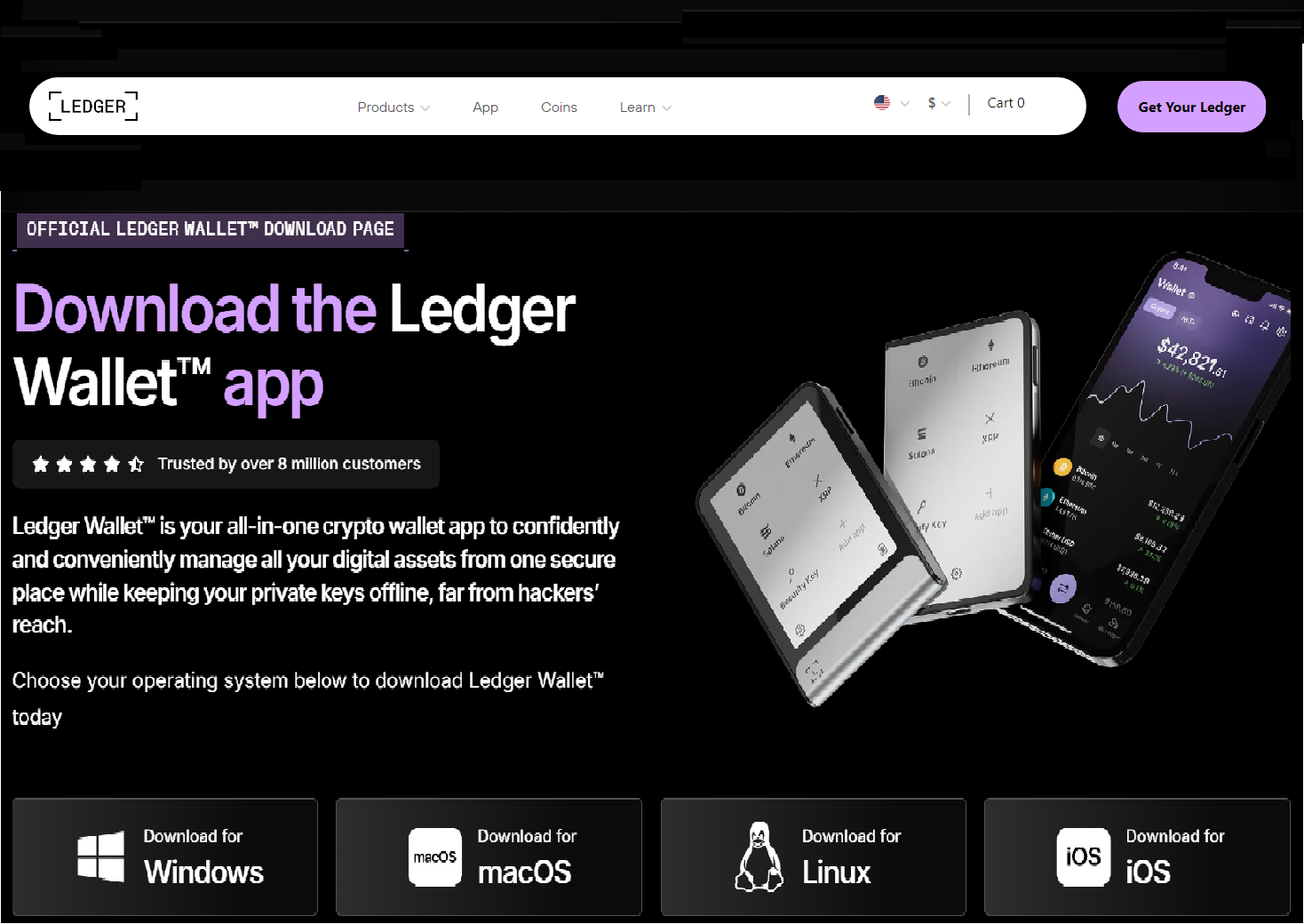
Ledger Live Desktop: A Complete Guide to Secure Crypto Management
Managing cryptocurrency from a computer can become easier when your wallet software provides a clear interface for accounts, transactions, applications, and portfolio information. Ledger Live Desktop has long been associated with the desktop experience for Ledger hardware wallets, giving users a convenient way to interact with their digital assets while keeping transaction authorization tied to their physical device.
For anyone searching for Ledger Live Desktop, understanding how the application works, how it connects with a Ledger hardware wallet, and which security practices matter most can make the setup process much smoother. The desktop environment is designed to bring wallet management tools together while the hardware device provides an additional layer for protecting sensitive wallet credentials.
What Is Ledger Live Desktop?
Ledger Live Desktop refers to the desktop-based wallet management experience associated with Ledger hardware wallets. It provides an interface where users can manage supported cryptocurrency accounts, review balances, install supported applications, and prepare transactions for approval.
The important distinction is that desktop wallet software and the hardware wallet have different roles. The computer application provides the interface, while the Ledger device is used to protect private keys and approve important actions.
This separation can be useful for people who want the convenience of computer-based portfolio management without relying entirely on a software wallet for transaction authorization.
Why Use Ledger Live Desktop?
A desktop wallet management application can make cryptocurrency management more organized. Instead of depending on several unrelated tools, users can work with their Ledger device through a dedicated interface.
Ledger Live Desktop can be useful for viewing account information, checking balances, managing supported blockchain applications, and preparing transactions. A larger computer screen can also make it easier to review addresses and transaction details before confirming an action.
For users managing multiple assets, having a centralized interface can make everyday wallet activity more straightforward.
How Ledger Live Desktop Works With a Ledger Device
Ledger Live Desktop should not be viewed as a replacement for the hardware wallet. The two components work together.
The application runs on the computer and provides the controls needed to interact with supported blockchain networks. The Ledger device handles sensitive cryptographic operations and requires physical confirmation for important actions.
When a transaction is prepared, the information can be presented on the Ledger device for verification. The user can then review the transaction details before approving it directly on the hardware wallet.
This process helps separate everyday wallet management from the protection of private keys.
Preparing for Ledger Live Desktop Setup
Before beginning setup, users should prepare a secure computer and their Ledger hardware wallet. It is also important to download wallet software only from a trusted official source rather than from advertisements, unofficial download pages, or unknown websites.
The hardware wallet should be inspected before use, and users should follow the instructions appropriate for their specific Ledger model.
A secure setup also means avoiding unnecessary software, keeping the operating system updated, and using a computer that the user trusts.
Setting Up Your Ledger Hardware Wallet
After installing the appropriate wallet application, connect the Ledger device according to the instructions for the device model.
A new device may require initialization, while an existing wallet may involve restoring access using its recovery information. The exact process can vary depending on the device and software version.
During setup, users should pay close attention to every instruction displayed on the hardware wallet itself. Important security information should never be copied from an unknown source or entered into an untrusted application.
Protecting Your Recovery Phrase
The recovery phrase is one of the most important parts of a self-custody wallet. It can provide the backup needed to restore access to wallet accounts if the hardware device becomes unavailable.
Because of its importance, the recovery phrase should be treated as highly confidential information. It should never be shared with another person, entered into a website, typed into an ordinary computer application, or stored casually in cloud storage.
A person who obtains the recovery phrase may be able to gain control of the associated wallet assets. For this reason, users should follow the security instructions provided during device initialization and keep their backup protected from unauthorized access.
Managing Cryptocurrency Accounts
One of the main purposes of the Ledger desktop experience is account management. Users can work with supported cryptocurrency accounts, monitor balances, and organize their assets through the wallet interface.
Before performing any transaction, it is important to confirm that the correct account and asset have been selected. Cryptocurrency transactions are generally irreversible, so mistakes involving addresses, networks, or amounts can have serious consequences.
Taking a few extra moments to review transaction information can help prevent avoidable errors.
Receiving Cryptocurrency Safely
Receiving cryptocurrency generally involves providing an appropriate wallet address to the sender. However, users should verify the address carefully and make sure the correct network and asset are being used.
Whenever possible, address information should be verified through the trusted wallet environment rather than copied from an unknown message.
A small test transaction can also be considered when dealing with a new destination or an unfamiliar process. This can provide an additional opportunity to confirm that the receiving details are correct.
Sending Cryptocurrency With Care
Sending cryptocurrency requires even more attention because an incorrect transaction may not be reversible.
Before approving a transaction, review the recipient address, amount, network, and applicable fees. The information displayed on the Ledger hardware wallet should be checked carefully rather than relying solely on what appears on the computer screen.
If anything looks unexpected, stop the transaction and investigate before approving it.
Avoiding Fake Ledger Applications and Phishing
One of the most important security habits is using legitimate software and websites. Search engines, social media posts, emails, and advertisements can sometimes lead users toward imitation websites or malicious applications.
A fake wallet application may attempt to collect sensitive information, including a recovery phrase.
Users should therefore avoid entering recovery information into websites or desktop applications. Genuine wallet support should not require users to reveal their secret recovery phrase.
Unexpected messages claiming that an account must be urgently verified, unlocked, or restored should also be treated cautiously.
Keeping Ledger Live Desktop Updated
Keeping wallet software and the operating system updated can help maintain a safer computing environment. Updates may introduce improvements, compatibility changes, bug fixes, and security enhancements.
However, users should still verify that updates are coming from a legitimate source. An unexpected pop-up or message should not automatically be trusted simply because it claims to be a software update.
When updating wallet software or the hardware wallet, users should follow the official instructions applicable to their device.
Common Mistakes to Avoid
New users can sometimes focus heavily on the software interface and overlook basic security practices. Common mistakes include downloading applications from unofficial sources, sharing recovery information, ignoring transaction details, storing sensitive backups online, and approving transactions without checking the hardware device.
Another mistake is assuming that cryptocurrency stored through a hardware wallet is physically contained inside the device. Cryptocurrency exists on its respective blockchain; the hardware wallet helps protect the credentials required to authorize transactions.
Understanding this distinction makes the security model much easier to understand.
Building a Secure Crypto Management Routine
A good Ledger Live Desktop routine does not need to be complicated. Use trusted software, keep the computer updated, protect the recovery backup, verify transaction information, and avoid sharing confidential wallet information.
It is also useful to periodically review connected accounts and wallet activity. If something appears unfamiliar, investigate it before taking further action.
Security is not a single step completed during setup. It is an ongoing process that continues whenever the wallet is used.
Final Thoughts
Ledger Live Desktop provides a convenient desktop environment for managing cryptocurrency alongside a Ledger hardware wallet. Its value comes from combining an accessible computer interface with hardware-based transaction authorization.
For beginners, the most important part of the experience is not simply learning where different buttons are located. It is understanding how the desktop application, hardware wallet, recovery information, and blockchain transactions work together.
By using trusted software, protecting the recovery phrase, checking transaction details carefully, and maintaining good security habits, users can create a more organized and responsible approach to cryptocurrency management.
Updated about 5 hours ago